

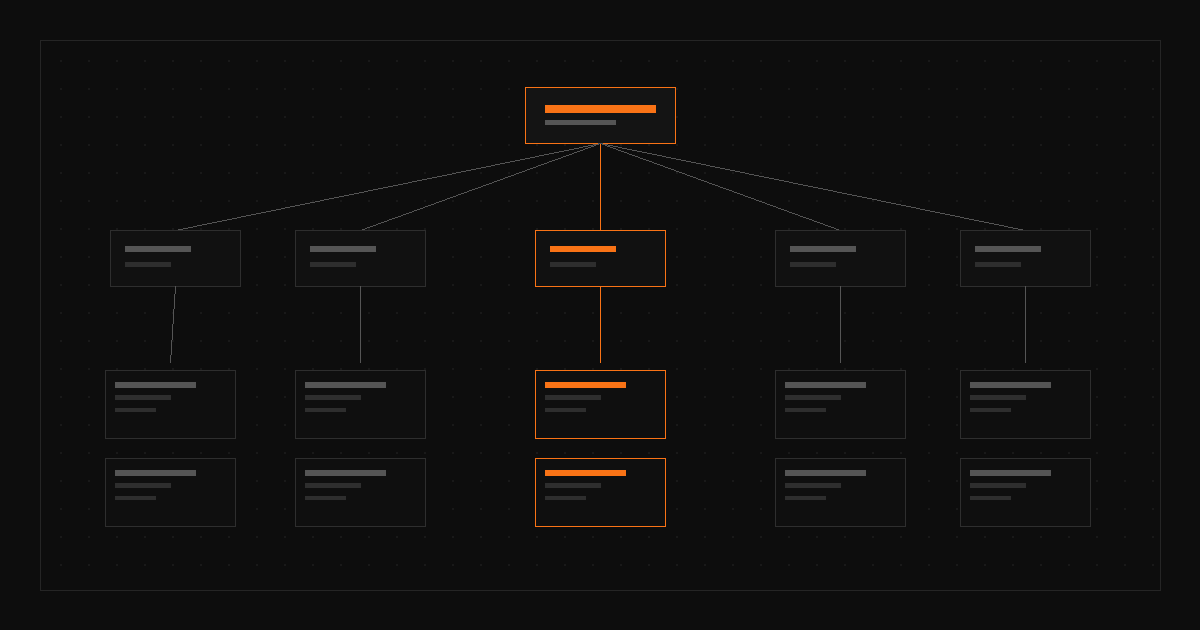
They fail because nobody is governing how the system evolves. Teams add one-off patterns, naming drifts, behavior gets inconsistent, and the library slowly stops reflecting the product it is supposed to support.
A design system is not just a Figma file. It is a decision-making system for how a product team ships.
The word governance scares a lot of teams because it sounds slow. Bad governance is slow. Good governance does the opposite. It gives teams clear rules for when to use an existing pattern, when to extend one, and when to create something new.
The goal is not control for its own sake. The goal is faster, better decisions with less duplication.
Strong governance improves delivery speed, QA quality, and product confidence. It reduces repeated design work. It lowers engineering waste. It makes new features easier to prototype, spec, and ship.
In B2B SaaS, that matters even more because complex workflows create more edge cases, more state changes, and more opportunities for inconsistency.
At Plastiq, I helped co-found Athena 2.0 Design System to improve cross-team consistency and design-engineering efficiency. At Wisdom, I created a new design system foundation to support product quality and faster delivery across a growing application suite. In both cases, the real leverage came from turning scattered UI decisions into a shared operational layer.
If your system only helps designers draw faster, it is not mature enough yet. A real design system should help the whole team think, build, and ship with more clarity.