

In complex B2B products, onboarding usually gets treated like a checklist. But for enterprise users, setup is rarely linear. It often includes technical implementation, business configuration, permissions, approvals, and coordination across multiple teams.
If the UX does not acknowledge that complexity, onboarding turns into delay, confusion, and support dependency.
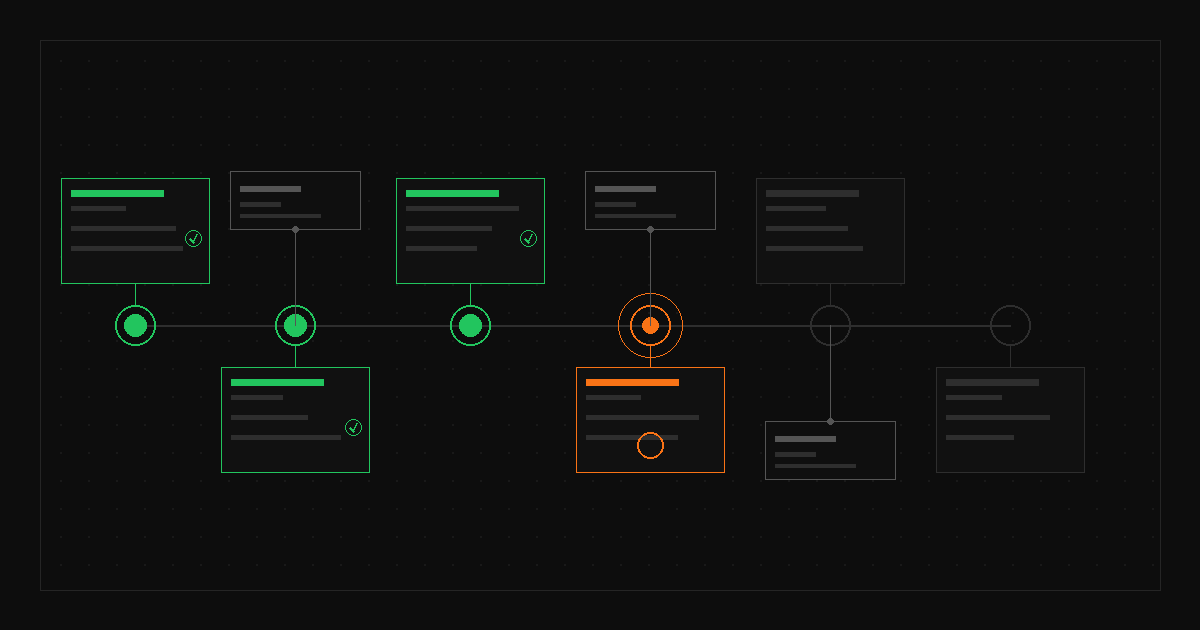
Strong onboarding UX creates a shared map. It makes the sequence visible, shows blockers clearly, and translates technical setup into understandable actions. It also adapts to role: admins, operators, and executives should not all be reading the same thing in the same way.
For embedded payments and API-driven products, onboarding UX is directly tied to adoption. If partners cannot understand implementation requirements, value realization slows down. If setup feels risky, trust drops. If teams need hand-holding for every configuration step, scale suffers.
Good onboarding design reduces that drag. It helps teams get live faster and with more confidence.
Better enterprise onboarding is not just a nicer first impression. It can shorten time to value, lower support burden, and improve activation for products that depend on integration and operational alignment.