

In B2B SaaS, the hardest product problems rarely come from visuals alone. They usually come from fragmented tools, manual reporting, weak visibility, duplicated workflows, and teams making decisions without enough context.
That is where enterprise product design creates leverage. Over the past 10+ years, I have worked across fintech, healthcare SaaS, enterprise platforms, APIs, and workflow-heavy internal tools. The pattern is consistent: when the operating model is messy, the user experience becomes messy too.
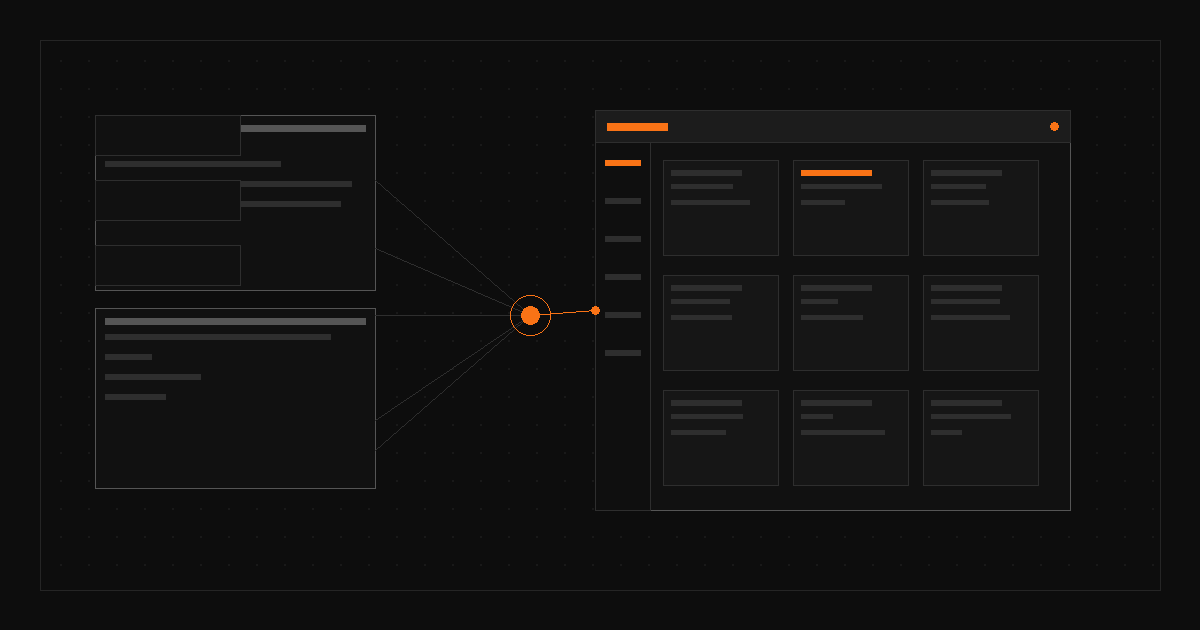
One of the clearest examples is internal operations software. At Wisdom, the operations organization had outgrown its tooling. By the end of 2025, teams were managing 260+ offices across 9 Team Leads, with plans to scale much further, but the work depended on 200+ interconnected Google Sheets.
That created predictable failure points: risk signals were buried in spreadsheets, workload visibility was weak, performance tracking required stitching together multiple views, and reporting was slow and fragile.
In environments like this, product design should not default to adding another dashboard. The better move is to rethink how information flows through the organization and how decisions get made.
A lot of enterprise teams are forced to react because the product shows them problems too late. By the time a leader sees the signal, the issue has already compounded. Good enterprise UX changes that dynamic by surfacing risk earlier, reducing time spent hunting for context, and making the next action more obvious.
That is why I care so much about workflow design. In B2B SaaS, better workflows do not just make software easier to use. They improve margin, protect service quality, and reduce operational drag.
That same pattern showed up in Wisdom’s Posting Assistant. The payment posting workflow looked straightforward on the surface, but specialists were manually reading scanned insurance documents, interpreting denials, switching between systems, and entering information by hand.
Instead of jumping straight to full automation, the workflow was designed to assist first. OCR and LLMs extracted key information, and the interface surfaced that data in a way specialists could review quickly and confidently. Once trust and workflow fit were established, the system expanded through Open Dental integration. The result was a roughly 40% reduction in manual posting time.
If a company is investing in B2B SaaS product design, the goal should be more than cleaner screens. The stronger benchmark is whether the product reduces manual work, makes operational signals easier to act on, helps teams scale without unnecessary overhead, and supports revenue, retention, or efficiency goals in measurable ways.
The best enterprise products make complex systems easier to understand, easier to operate, and easier to scale. That is the standard I use when designing products.